
| ISBN | |
|---|---|
| Autore | |
| Genere | |
| Editore | |
| Lingua | |
| Data | |
| Npag | |
| Dewey |
The story follows an orphan who survives the brutal underworld of 19th-century London to eventually discover his rightful identity and inheritance.
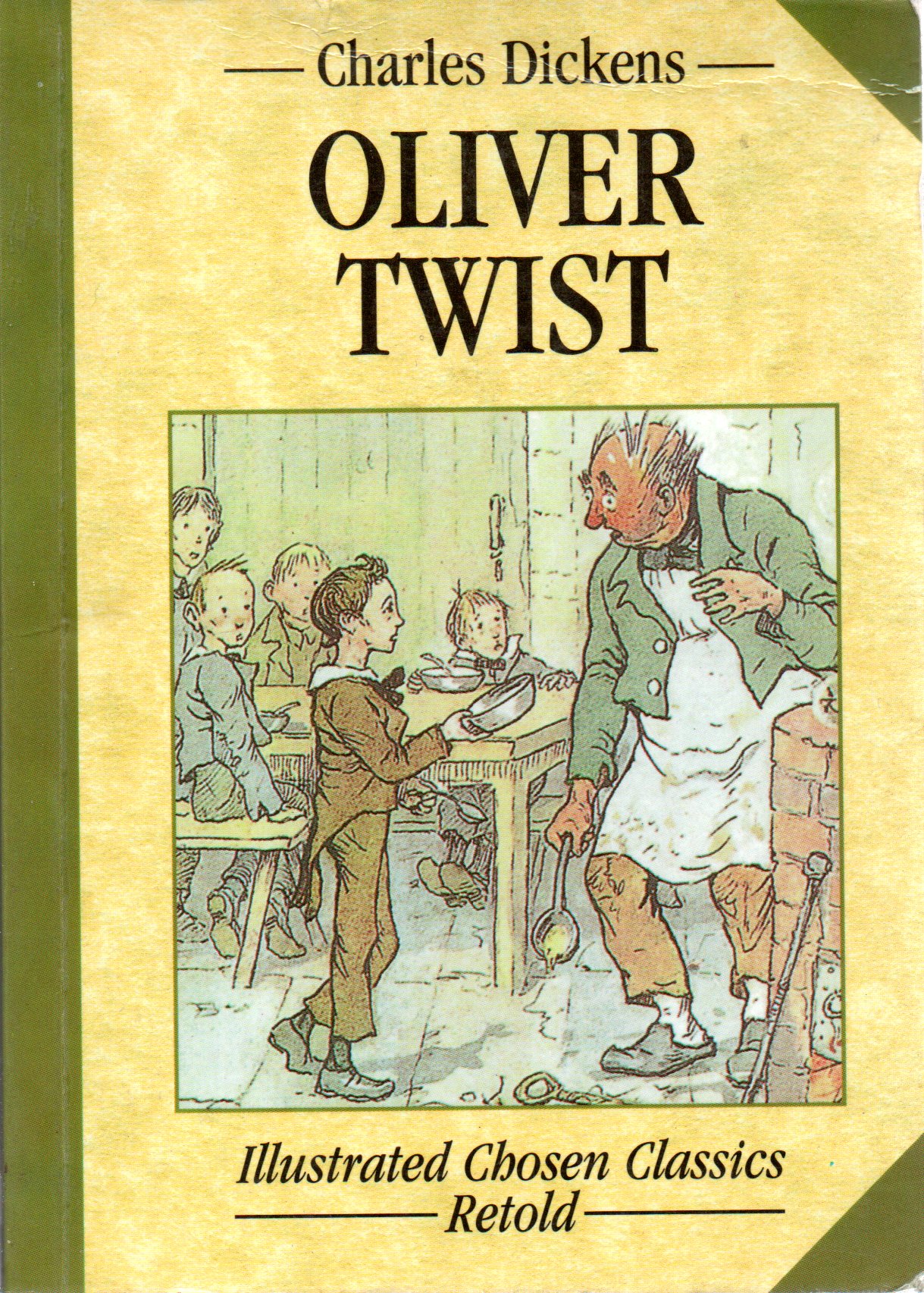
Oliver is born in a parish workhouse to an unknown woman who dies shortly after. At age nine, he is moved to a main workhouse where he famously asks for “more” food, leading to his expulsion and sale as an apprentice to an undertaker.
After being mistreated by the undertaker’s wife and fellow apprentice, Oliver runs away to London. He is found by Jack Dawkins (the Artful Dodger), who introduces him to Fagin, an elderly criminal who trains a gang of juvenile pickpockets.
On his first outing, Oliver is caught for a theft he didn’t commit but is rescued by the victim, Mr. Brownlow. However, Fagin’s gang—fearful Oliver will reveal them—kidnaps him back.
The novel illustrates how desperate poverty leads individuals toward crime, while distinguishing between those who are pure and those who are irredeemably corrupt.
Charles John Huffam Dickens
(Portsmouth, 7 febbraio 1812 – Higham, 9 giugno 1870)
was a preeminent British novelist of the Victorian era, renowned for his vivid storytelling, memorable characters, and fierce social critique. As of 2026, he remains a global cultural icon whose works continue to be studied for their themes of poverty, social injustice, and redemption.
He began as a junior law clerk and a shorthand reporter in courts before achieving literary fame with The Pickwick Papers in 1836.
© 2025 Biblioteca Civica "Eligio Galli" - Via Martiri della Libertà 1, Breia - 13024 Cellio con Breia (VC) | Tutti i diritti riservati
Powered by 2000Net Srl | SmartWEB360° platform